



How is Acrylic Emulsion Produced
The production process of acrylic emulsion mainly includes the following steps:
The main raw materials for acrylic emulsion include acrylate monomers, emulsifiers, initiators and additives, etc. Acrylate monomers are the main components for preparing emulsions, and their types and proportions have a significant impact on the performance of emulsions. Emulsifiers are used to form stable emulsions of monomers in water. Commonly used types include anionic, nonionic and cationic. Initiators such as ammonium persulfate and hydrogen peroxide are used to initiate polymerization reactions. Additives include thickeners, leveling agents, defoamers, etc., which are used to adjust the viscosity, leveling property and eliminate foam of the coating
Emulsification: Add acrylate monomers, emulsifiers and some water to the reaction vessel, and through high-speed stirring, form a stable emulsion of the monomers in the water. During the emulsification process, the stirring speed and temperature need to be controlled to prevent the emulsion from breaking or polymerizing
Polymerization: Add an initiator to the emulsion and initiate the polymerization reaction of acrylate monomers by heating. During the polymerization process, temperature, pressure and reaction time need to be controlled to ensure the smooth progress of the polymerization reaction.
Adjust pH value: After polymerization is completed, the pH value of the emulsion is adjusted by adding an acid-base regulator to meet the requirements of subsequent processing.
Add additives: Add thickeners, leveling agents, defoamers and other additives to the emulsion, and stir to evenly disperse them.
Viscosity adjustment: As needed, the viscosity of the coating can be adjusted by adding an appropriate amount of water or thickener.
Filtration: the prepared coating is filtered to remove impurities and particles, ensuring the quality of the coating.
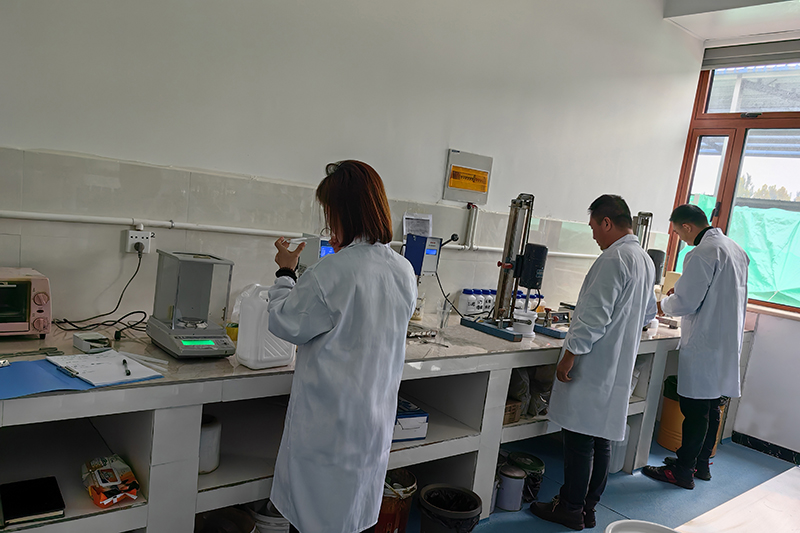
During the production process, quality inspection of raw materials should be carried out to ensure that their quality meets the requirements. Meanwhile, performance tests should be conducted on the prepared emulsions and coatings, such as viscosity, stability, weather resistance, water resistance, etc., to ensure the quality and performance of the products.
Fire prevention and explosion prevention should also be taken during the production. Contact with skin and eyes should be avoided. Waste should be properly disposed of to prevent environmental pollution